
A Simple Guide to Workplace Drug and Alcohol Testing for Employers

The most commonly used workplace drug testing methods are urine, saliva, and hair testing. Urine and saliva tests are typically used to identify recent substance use.
Written by
Essential Medicals
Published on
February 26, 2026

Workplace drug and alcohol testing is becoming increasingly common across many industries in the UK. For employers, particularly those operating in safety critical environments, testing can play an important role in maintaining a safe, productive, and compliant workplace.

Here is a clear overview of how workplace drug testing works, why it is used, and what employers need to consider before introducing it.

What Is Workplace Drug Testing?

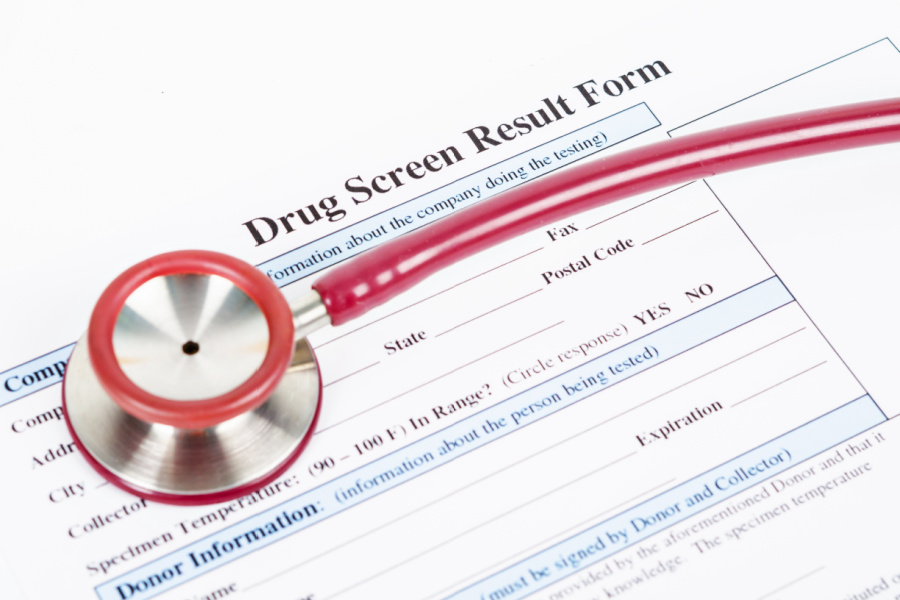
Workplace drug and alcohol testing involves screening employees or job applicants to check for the presence of drugs or alcohol in their system.

The purpose is to ensure staff are fit for work and not impaired while carrying out their duties. This is especially important in roles that involve:

  • Driving
  • Operating machinery
  • Working at height
  • Using heavy equipment
  • Public safety responsibilities

Testing helps reduce the risk of accidents caused by reduced concentration, slower reaction times, or impaired judgement.

Why Do Employers Carry Out Drug Testing?

Employers may introduce workplace testing for several key reasons:

  • To improve workplace safety
  • To reduce accidents and injuries
  • To support productivity
  • To manage absenteeism and lateness
  • To meet legal or regulatory requirements
  • To promote a drug and alcohol free working environment

In some sectors, testing is required as part of industry regulations. In others, it forms part of a company’s internal health and safety policy.

Common Types of Workplace Drug Testing

There are several methods used to detect drug or alcohol use in the workplace.

Urine Testing
Often used to detect recent drug use and commonly applied in pre employment or random screening.

Saliva Testing
A quick and less invasive option that can detect recent use. This can usually be carried out on site with rapid results.

Hair Testing
Used to identify longer term drug use over a period of weeks or months. This is less commonly used due to cost.

Breath Alcohol Testing
Used to detect alcohol levels and commonly performed using approved breathalyser devices.

When Might Testing Be Used?

Workplace drug and alcohol testing may be carried out at different stages of employment:

  • Pre employment screening
  • Random testing as part of company policy
  • Post incident testing following accidents
  • Periodic testing in safety critical roles
  • Follow up testing to support rehabilitation

These approaches help employers manage risk while ensuring fair and consistent procedures.

What Substances Are Typically Tested?

Standard workplace drug tests often screen for commonly misused substances such as:

  • Cannabis
  • Cocaine
  • Amphetamines
  • Opiates

Additional substances may be included depending on the nature of the role or workplace risk assessment.

Is Workplace Drug Testing Legal in the UK?

Drug and alcohol testing is legal in the UK, but employers must have a clear and justified reason for carrying it out.

Employers should:

  • Have a written drug and alcohol policy
  • Gain employee consent before testing
  • Apply testing fairly and consistently
  • Explain how and when testing will take place
  • Outline the consequences of a positive result

Testing should always be conducted with respect for employee dignity and confidentiality.

What Happens If a Test Is Failed?

If an employee receives a positive result, employers should follow their internal drug and alcohol policy.

Possible outcomes may include:

  • Further laboratory confirmation
  • Temporary suspension
  • Disciplinary procedures
  • Referral for occupational health support

In some cases, support and rehabilitation may be appropriate depending on the circumstances.

Implementing Workplace Drug Testing

If you are considering introducing testing into your organisation, it is important to:

  • Develop a clear workplace policy
  • Inform employees in advance
  • Choose appropriate testing methods
  • Work with a qualified occupational health provider
  • Ensure confidentiality is maintained

Key Takeaway

Workplace drug and alcohol testing can help employers reduce risk, support employee wellbeing, and maintain a safer working environment. However, it must always be introduced in a fair, transparent, and legally compliant way.


Weekly newsletter
Opt in to receive the latest news and information on SEQOHS and Safety Critical Medicals.
Read about our privacy policy.
Thank you! Your submission has been received!
Oops! Something went wrong while submitting the form.
Same Day Bookings

Why Choose Our Occupational Health Services?

Our private occupational health clinic in Enfield Town, London helps businesses stay compliant, safeguard employee wellbeing, and minimise costly downtime. With trusted expertise across the UK, we provide health surveillance, workplace assessments, and tailored medical support you can rely on.
GP &  Specialist Appointments

Keeping Your Business Running Smoothly

We deliver proactive health solutions designed to reduce staff absence, improve safety, and build a more resilient workforce. By addressing risks early, we help you maintain productivity and protect both your people and your business.

Accessible and Reliable Support

Essential Medicals makes occupational health simple and accessible. Whether through on-site visits, convenient telehealth consultations, or personalised guidance, we ensure your team gets the reliable care they need, when they need it.