

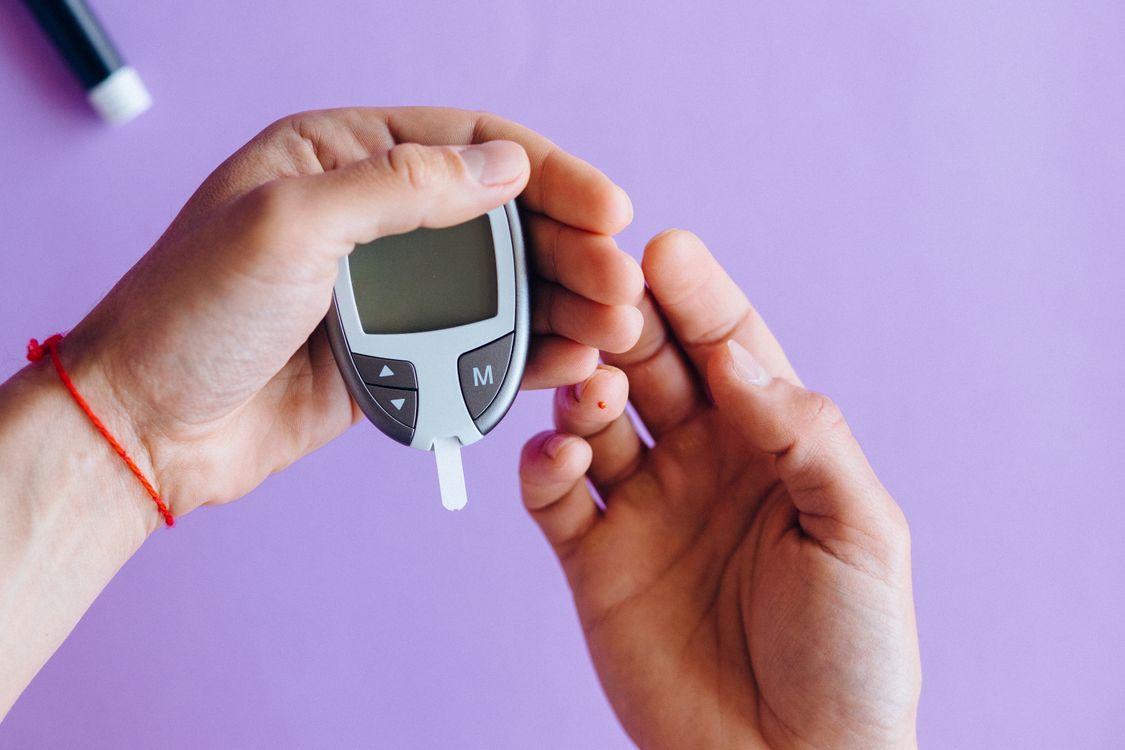
Diabetes is one of the most common long-term health conditions in the UK, and many professional drivers live with it. For fleet managers, logistics operators and haulage companies, that raises an important compliance question: can your drivers still drive an HGV with diabetes? In most cases, yes. But the DVLA applies stricter standards to Group 2 (lorry and bus) licences than to car licences, and the rules depend heavily on how each driver's diabetes is treated.
This guide explains what the DVLA requires, how diabetes is assessed during a D4 medical, and what your business can do to keep drivers compliant and on the road.
Having diabetes does not automatically disqualify a driver from holding a Group 2 licence. The DVLA's main concern is hypoglycaemia (a "hypo"), where blood glucose drops low enough to cause confusion, drowsiness or loss of consciousness. At the wheel of a 44-tonne vehicle, that risk is serious, which is why the standards focus on treatment type, hypo history and glucose monitoring.
Broadly, your drivers will fall into one of three groups:
Drivers who use insulin can still hold a Group 2 licence, provided they meet all of the DVLA's criteria. These generally include:
Licences for insulin-treated Group 2 drivers are normally issued for a maximum of one year at a time, so renewal is an annual event your fleet planning needs to account for.
Until recently, Group 2 drivers on insulin had to use finger-prick blood tests to meet the DVLA's monitoring rules. Since November 2025, the DVLA has accepted approved continuous glucose monitoring (CGM) devices for Group 2 drivers, provided the device is authorised for making treatment decisions. Drivers should still carry finger-prick testing equipment as a backup.
Some diabetes tablets, particularly sulphonylureas and glinides, can cause hypoglycaemia. Drivers taking these medications must tell the DVLA and are expected to:
If a driver's medication changes, for example moving from metformin to gliclazide or starting insulin, their reporting obligations change too. This is one of the most common gaps we see in fleet compliance, so it is worth making medication changes part of your regular driver health check-ins.
The D4 medical form includes a dedicated section on diabetes. During the assessment, the examining doctor will ask about the driver's treatment, hypo history and awareness, and any complications. A urine test is also carried out, which can flag raised glucose in drivers who have not yet been diagnosed.
Diabetes can also affect other parts of the medical. Diabetic retinopathy may impact eyesight, and nerve damage (neuropathy) can affect sensation in the feet and hands. Both are checked as part of the wider assessment. You can read more about the full process in our guide on what an HGV medical involves, and about eyesight requirements in our vision and hearing standards guide.
A diagnosis of diabetes does not mean a driver will fail. What matters is whether the condition is well managed and meets DVLA standards. If you want to understand the most common reasons drivers are held back, see our post on whether drivers can fail an HGV medical.
Legally, the responsibility for notifying the DVLA sits with the individual driver. However, as an operator, your business has a duty of care and a strong interest in making sure your workforce is fit to drive. Practical steps include:
At Essential Medicals in Enfield, North London, we carry out D4 medicals for HGV and LGV drivers, and we work with fleet operators, logistics firms and haulage companies across London and the surrounding areas. Our doctors are experienced in assessing drivers with long-term conditions such as diabetes, and we can help your drivers understand what evidence the DVLA is likely to need.
For businesses managing multiple drivers, we offer block booking so your team can be assessed together, minimising time off the road. Whether one of your drivers has recently been diagnosed or you simply want a reliable partner for routine renewals, get in touch with our Enfield clinic to discuss your fleet's needs.
This article is for general guidance only. The DVLA's medical standards can change, so always check the latest DVLA guidance or speak to a medical professional about an individual driver's circumstances.