

A Safety Critical Medical is a health assessment designed to determine whether an individual is fit to safely perform roles that could affect their own safety or the safety of others. These high-risk roles often include working at height, in confined spaces, operating machinery, driving vehicles, or using plant equipment. The assessment typically covers vision and hearing tests, lung function, blood pressure checks, and a review of medical history. Certificates are usually valid for 1–3 years, depending on the employee’s age, and assessments can be carried out on-site, at a clinic, or via a mobile unit. If an individual does not pass the medical, temporary work restrictions may be applied while further guidance or advice is sought.
A safety critical role is a position where being medically unfit could create a significant risk to the worker or others. These roles typically involve tasks or environments where reduced alertness, poor health, or sudden illness could result in accidents or serious incidents.
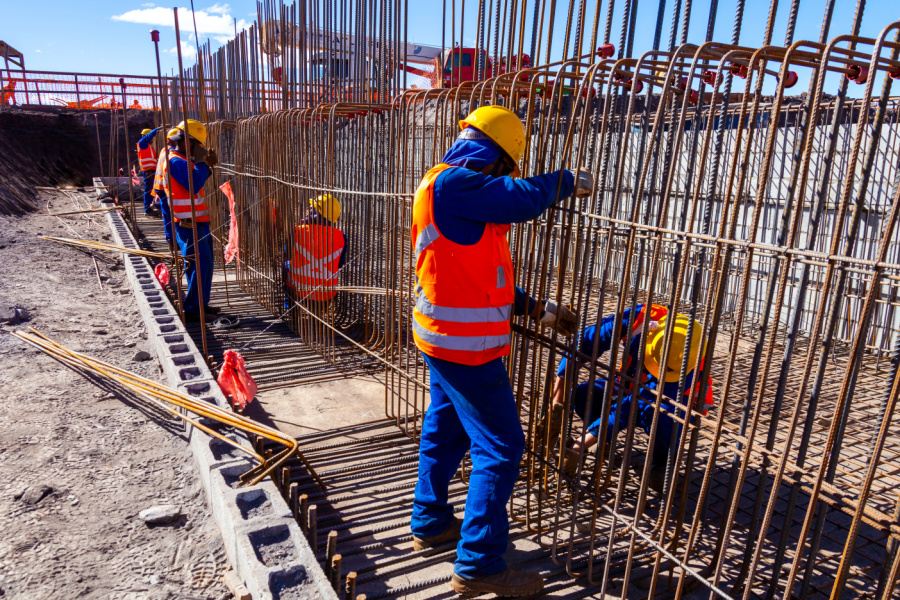
Safety critical medicals are recommended for individuals in roles where health and fitness directly impact safety. Examples include:
Employees in safety critical roles are required to undergo more thorough medical assessments than typical workplace checks. Safety critical or “fit for work” medicals help ensure that employees are not experiencing medical conditions or undergoing treatments that could:
These assessments are essential to reduce the risk of accidents and ensure the safety of both the employee and others in the workplace.
A Safety Critical Medical involves a comprehensive review of an individual’s past and current medical history, covering conditions, symptoms, and treatments that could affect their ability to perform high-risk tasks safely. This typically includes questions about:
Additional assessments may be included depending on the role, such as hearing tests (audiometry), musculoskeletal evaluations, respiratory health checks, vibration-related assessments (HAVS), skin assessments, and vision tests.
Safety critical medicals can be conducted on-site, at a clinic, or via mobile medical services, providing flexible options for both employees and employers.
The duration of a safety critical medical certificate depends on the employee’s age:
Regular updates ensure that employees remain fit to safely carry out their high-risk roles.

Safety critical medicals help minimise risk, protect employees, and ensure compliance with legal and industry standards. They provide employers with confidence that staff are physically and mentally capable of performing high-risk tasks safely. Key benefits include:
In many cases, employees with underlying health conditions can continue working in safety critical roles, provided their condition is well managed and they meet the required fitness standards for their job.
Conditions such as hypertension, diabetes, asthma, or epilepsy may be compatible with safety critical work if symptoms are stable, controlled, and monitored under the guidance of a GP or specialist. Non-progressive cardiac, respiratory, or neurological conditions are often acceptable when employees understand their condition and follow prescribed treatment plans.
Certain roles may have specific fitness requirements, such as hearing, vision, or respiratory standards. If an employee does not meet these standards, temporary work restrictions may be applied until further medical advice is obtained. Follow-up assessments may also be scheduled to ensure ongoing workplace safety.
Examples of possible restrictions include:
The frequency of future medical assessments may vary based on the employee’s age, medical history, or test results, with more frequent checks recommended in some cases.