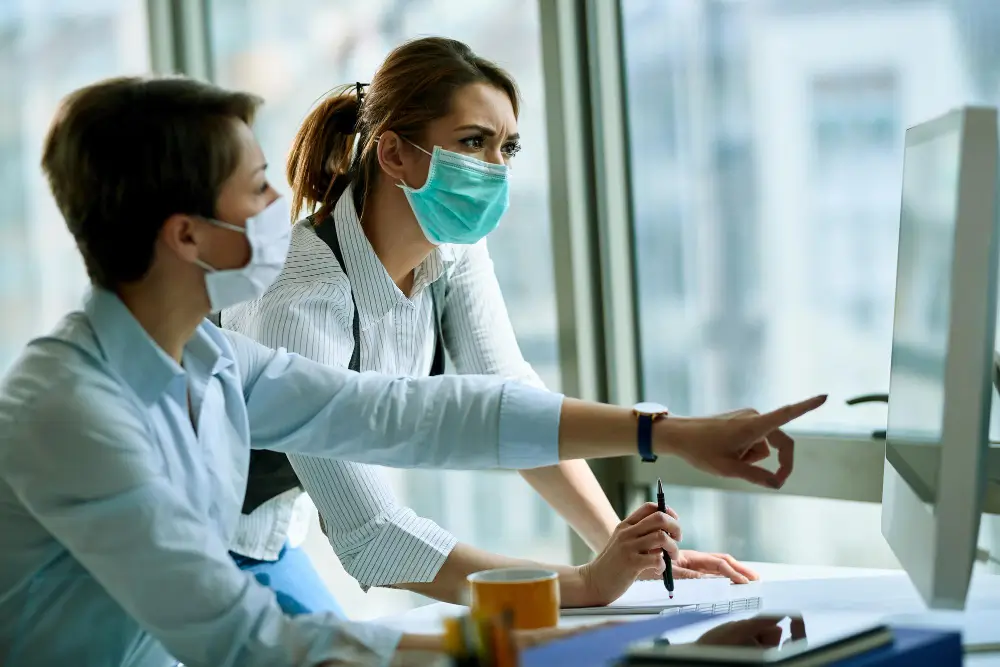

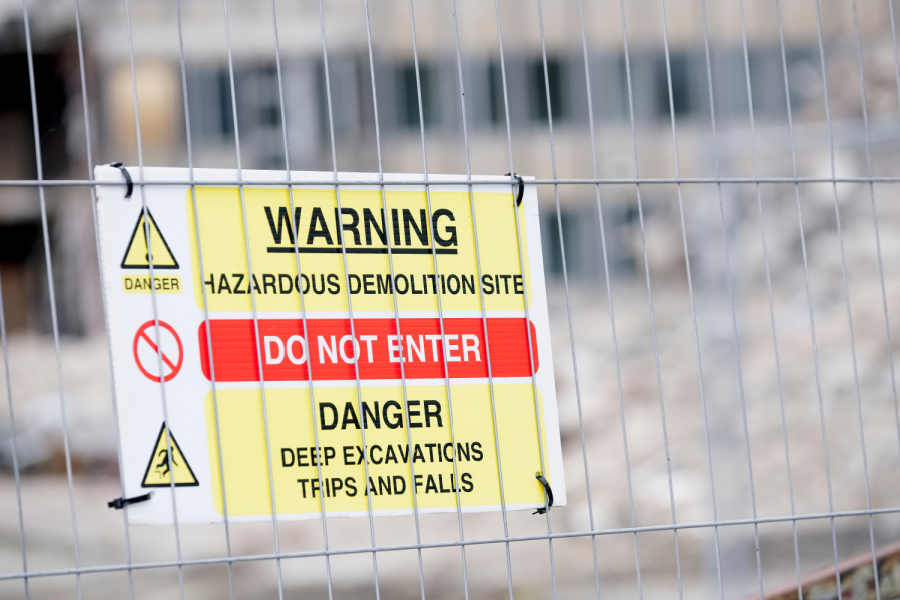
Health and safety forms the backbone of every successful workplace. Investing in safety doesn’t just protect employees—it also boosts productivity and builds trust with clients and the wider community.
Despite this, many workplace hazards are underestimated or overlooked. Too often, lessons are only learned after an incident occurs—and by that point, the cost in human, financial, and reputational terms can be significant.
The good news? Most hazards can be prevented through proactive risk management, a strong safety culture, and effective training.
Slips, trips, and falls may seem straightforward, but they are among the most common causes of workplace injuries each year. From sprains and fractures to serious head injuries, these incidents can occur across almost any industry.
Common causes include wet or uneven floors, poor lighting, loose cables, and cluttered walkways. In higher-risk sectors such as construction or manufacturing, falls from height remain one of the leading causes of fatalities.
How to reduce the risk:
Cultivating a strong culture of housekeeping and vigilance is crucial. Equally important is training as it equips managers with practical tools to identify, assess, and control everyday risks, including slips, trips, and falls.

Manual handling—lifting, pushing, pulling, or carrying—is part of everyday work in almost every industry. When performed incorrectly, it can lead to back injuries, muscle strains, and long-term musculoskeletal problems.
Many injuries happen because employees are rushed, untrained, or unaware of proper techniques. Even seemingly light loads can cause harm if posture, movement, or planning are poor.
How to reduce the risk:
Investing in employee knowledge is crucial. Comprehensive health and safety training helps staff understand proper manual handling techniques and how these fit into wider workplace risk management, reducing injuries and promoting a safer working environment.
Few hazards are as immediate or destructive as fire. Beyond the risk to life, a serious fire can disrupt operations, destroy property, and damage an organisation’s reputation.
Common causes include faulty electrical equipment, overloaded sockets, poor storage of flammable materials, and blocked fire exits. In certain industries, combustible dust or flammable liquids can increase the risk even further.
How to reduce the risk:
Investing in staff knowledge and awareness is key. Regular fire safety training helps employees understand how to prevent incidents, respond effectively in an emergency, and contribute to a safer workplace overall.
Many workplaces handle or store hazardous substances, from industrial chemicals to everyday cleaning products. Without proper controls, exposure can lead to burns, respiratory problems, skin conditions, or long-term health issues.
Hazards aren’t always obvious. Dust, fumes, and vapours can be just as dangerous if not properly managed. Even in office settings, poorly handled printer toner, cleaning sprays, or other chemicals can affect air quality and staff health.
How to reduce the risk:
Equipping staff with knowledge and awareness is vital. Regular training helps employees understand the risks, handle substances safely, and maintain a healthier, safer workplace.

Not all workplace hazards are visible. Stress, fatigue, and mental health challenges are increasingly recognised as serious risks. Poor wellbeing can reduce productivity, increase absenteeism, and contribute to long-term health problems.
Common causes include heavy workloads, unclear expectations, lack of support, and workplace conflict. If left unmanaged, these issues can escalate into burnout or chronic illness.
How to reduce the risk:
Investing in mental health awareness is essential. Supporting staff wellbeing as part of overall workplace safety helps prevent stress-related issues, improves morale, and creates a healthier, more resilient workforce.
Creating a safe workplace is about more than installing equipment or meeting compliance requirements. Real change happens when employees understand why safety matters and feel confident in taking action.
Structured training provides this confidence. It equips staff with practical knowledge, strengthens leadership, and encourages behaviours that actively reduce risks. Whether through general health and safety programmes, fire safety courses, or occupational health training, these initiatives give teams the tools they need to prevent accidents and protect wellbeing.
Every workplace has risks—physical, chemical, or psychological. Understanding and managing the most common hazards can make a significant difference. Key areas to focus on include:
By addressing these risks proactively, organisations can create a safer, healthier, and more productive environment. Training ensures that employees, supervisors, and leaders are aware of their responsibilities and able to respond effectively when issues arise.
Investing in workplace safety and training pays off—not just in compliance and reputation, but in the wellbeing of your people. Essential Medicals can help your organisation strengthen safety culture, provide tailored guidance, and recommend training programmes suited to your specific needs.
Protect your workforce and build a safer workplace; contact us today to discuss the right occupational health and safety solutions for your team.