

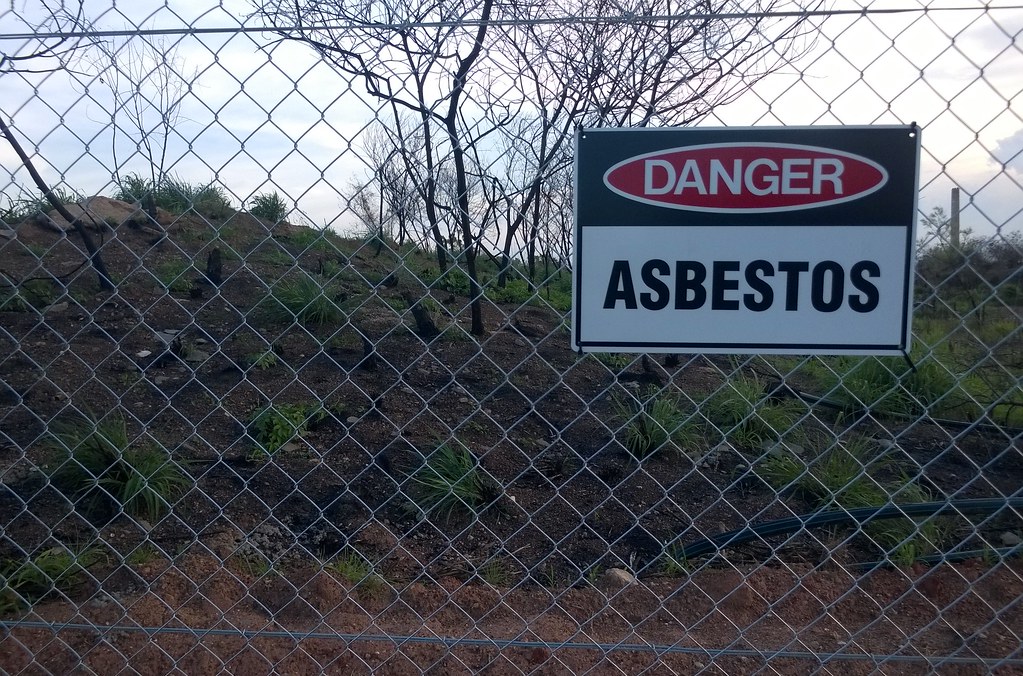
If your workforce carries out work that could disturb asbestos, medical surveillance is not a one-off box to tick. Under the Control of Asbestos Regulations 2012 (CAR 2012), certain workers need a medical before they start and then at regular intervals for as long as they continue that work. Getting the timing wrong can leave your drivers, operatives and contractors unable to work, and can leave your business exposed during an inspection.
This guide explains how often asbestos medicals need to be renewed, which of your workers need one, what the medical involves and how to keep renewals on track across your workforce.
The renewal interval depends on the type of asbestos work your team carries out:
HSE has reviewed these intervals in the past and decided to keep them as they are, so the two-year and three-year cycles remain the standard your business should plan around.
Yes. A valid medical for licensed work is acceptable for notifiable non-licensed work. It does not work the other way round: a medical carried out for NNLW does not cover someone doing licensed work.
Your asbestos survey and risk assessment should tell you what kind of work your team is likely to do. As a general guide, medical surveillance applies to people who:
If you are not sure which category your work falls into, take advice from a competent asbestos professional before the work starts. It is much easier to arrange medicals in advance than to stand a team down mid-project.
An asbestos medical is focused on your worker's respiratory health. While the exact process can vary, it typically includes:
A chest X-ray is not a routine part of the medical. The doctor will only refer for further tests if there is a clinical reason to do so.
Once the medical is complete, ask for written confirmation that the examination took place and keep a copy on file alongside your health records for that employee.
For workers doing licensed work or NNLW, CAR 2012 requires employers to keep a health record for each worker, and these records must be kept for 40 years. That long retention period reflects the fact that asbestos-related diseases can take many years to develop.
Good records also make renewals much easier to manage. At a minimum, it helps to track:
If a worker's medical runs out, they should not carry out licensed work or NNLW until a new medical has been completed. In practice, a lapsed certificate can mean:
The simplest way to avoid this is to book renewals well before the expiry date rather than waiting until the last week.
Add renewal dates to your HR or compliance system and set reminders two to three months ahead. That gives you time to book appointments around site work and shift patterns.
If several of your workers started at the same time, their medicals are likely to fall due together. Booking them as a group helps you plan downtime and keeps everyone's renewal dates aligned.
Ask new starters and subcontractors for evidence of a current asbestos medical before they go on site. If they do not have one, arrange it before they start any asbestos work. You may want to combine this with a pre-employment medical.
Asbestos medicals sit within your wider health surveillance duties. Many employers find it more efficient to manage asbestos medicals alongside other checks, such as safety critical medicals for plant operators or general occupational health support.
At Essential Medicals, our asbestos medical appointments start from £105 and are designed to fit around your workforce's schedule. We can help you get new starters checked before they go on site and keep your existing team's renewals on track.
Book your drivers' medicals with Essential Medicals in Enfield, North London.