

Asbestos exposure can be deadly, which is why it’s vital for duty holders to know how to identify asbestos and manage the risks it presents.
This guide outlines the key responsibilities of duty holders, from recognising the presence of asbestos and carrying out thorough risk assessments to putting effective asbestos management plans in place.
Although asbestos was banned as a construction material in 1999, it remains the biggest cause of work-related deaths in the UK. Around 5,000 people die each year from asbestos-related illnesses, with an estimated 20 tradespeople losing their lives every week due to exposure that occurred decades ago.
Asbestos-containing materials (ACMs) are still commonly found in buildings that were built or refurbished before 2000. Correctly identifying asbestos is essential to avoid accidental disturbance and reduce the risk of dangerous, and potentially fatal, exposure.
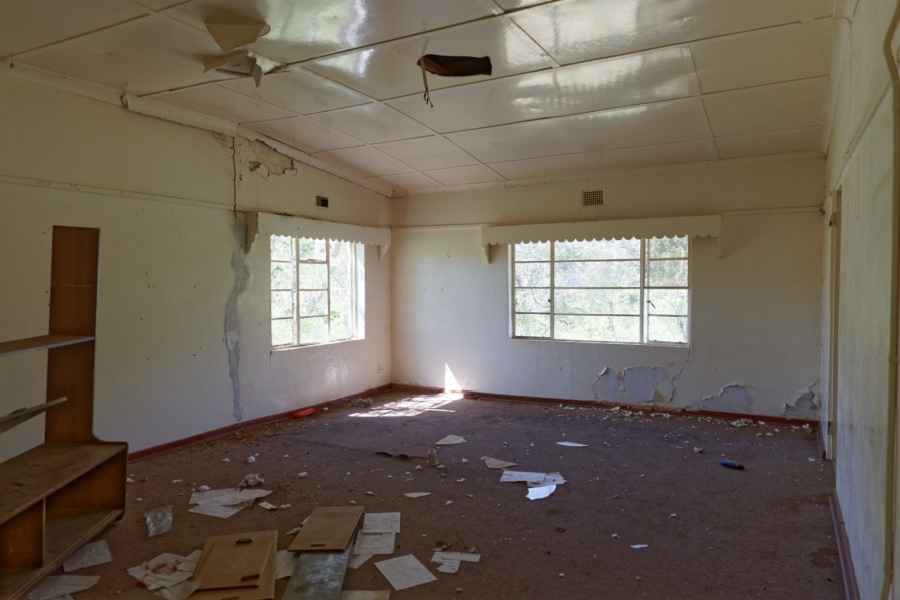
Asbestos can be present in many parts of a building, particularly those constructed or refurbished before 2000. Common locations include:
When asbestos-containing materials are in good condition, properly managed, and left undisturbed, they generally pose little risk. Problems arise when these materials are damaged, disturbed, or deteriorate over time.
Disturbance can release microscopic asbestos fibres into the air, which can then be inhaled. This exposure is extremely hazardous and can lead to serious illnesses, including asbestos-related lung cancer and mesothelioma.
Asbestos fibres cannot be seen, smelled, or tasted, and the health effects often take decades to develop. As a result, individuals may be unaware they have been exposed until many years later, when asbestos-related diseases begin to emerge.
Identifying asbestos starts with a thorough risk assessment to determine the type, amount, and condition of any asbestos-containing materials (ACMs), as well as the potential level of exposure.
Useful information about whether a building contains asbestos can often be gathered by reviewing existing records. This may include previous asbestos surveys, maintenance logs, or documentation from earlier asbestos work. Additional insight can also be obtained by speaking with previous owners or occupants, facilities management companies, suppliers, or the original building designer or architect.
Where records are missing, outdated, or unreliable, a new asbestos survey may be required. This could be a management survey for occupied buildings or a refurbishment or demolition survey if major works are planned.
In smaller, straightforward premises, the assessment may be carried out by the duty holder or another competent person. However, for larger, more complex buildings—or where there is any uncertainty—it is essential to appoint a qualified, independent asbestos surveyor. The Health and Safety Executive (HSE) states that asbestos surveys should be “comprehensive and systematic”.
There are two main types of asbestos survey:
Sampling of materials is only necessary for refurbishment and demolition surveys and must be carried out by trained asbestos professionals.
Surveys should cover the entire premises, both internally and externally. This includes checking building materials, fixtures, and, in some cases, older plant or equipment that may contain asbestos components such as gaskets or seals. If there is any doubt about whether a material contains asbestos, it should be treated as asbestos until proven otherwise.
The findings from inspections and surveys should be recorded in an asbestos register, maintained in written or electronic form. This register typically includes:
The HSE provides templates and checklists to support the creation of an asbestos register and risk scoring.
For further guidance, see our detailed guide on how to test for asbestos.
Under the Control of Asbestos Regulations 2012, clear legal duties are placed on employers and those responsible for non-domestic premises to manage the risks associated with asbestos. This applies to industrial, commercial, and public buildings, as well as the shared areas of certain residential properties.
Those with responsibility for a building must take reasonable steps to protect anyone who could be exposed to asbestos. This includes:
Failing to manage asbestos properly can have serious consequences, including enforcement action, substantial fines, and even imprisonment.

Creating and maintaining an asbestos management plan is a core duty for anyone responsible for managing a building. The plan sets out how asbestos risks will be controlled and communicated to protect workers and others who may be affected.
An asbestos management plan should include:
The management plan can be kept in written or electronic form. At a minimum, it must be reviewed every 12 months and updated whenever work is carried out that may affect ACMs. The Health and Safety Executive (HSE) provides an example asbestos management plan to support compliance.
Once the plan is in place, all relevant parties must be informed. This includes employees, contractors involved in maintenance or refurbishment—such as builders, electricians, plumbers, and plasterers—and, where appropriate, the emergency services.
Warning signs and labels should be used on materials that contain or may contain asbestos where appropriate. However, labelling should support the management plan, not replace proper asbestos risk management.
Asbestos exposure is a serious risk, but protecting your workforce doesn’t have to be complicated. With professional asbestos medicals from Essential Medicals, you can safeguard employee health, meet your legal obligations, and build a more confident, compliant workforce — all with minimal disruption to your business.
Our experienced clinicians, same-day appointments, and simple booking process make asbestos medical assessments straightforward and stress-free, whether you need a one-off medical or ongoing surveillance for your team.
Don’t leave compliance or employee wellbeing to chance.
Book your asbestos medical today and take a proactive step towards a safer, healthier workplace.