


Failing your taxi medical can delay your licence application and slow down your ability to get back on the road. At Essential Medicals, we regularly see drivers who could have passed their medical if they had been better prepared before attending their appointment.
Taxi medicals are required by most local councils and must meet DVLA Group 2 medical standards. These standards are in place to ensure all licensed drivers are medically fit to operate safely when transporting members of the public.
Below are some of the most common reasons drivers fail their taxi medical and what you can do to improve your chances of passing.
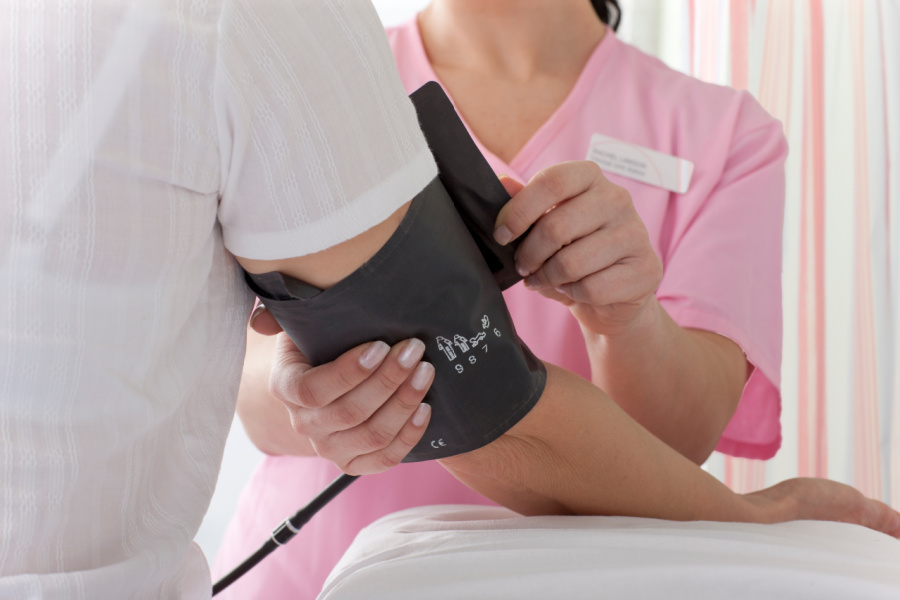
One of the most common reasons for failing a taxi medical is high blood pressure.
The cut off for blood pressure during your assessment is 180 over 100. A reading at or above this level on the day of your appointment will result in a failed medical.
If your blood pressure is too high, it does not necessarily mean you cannot become a taxi driver. You may simply need treatment from your GP before returning for another assessment.
To prepare for your taxi medical if you have high blood pressure:
This can be especially helpful if you experience white coat hypertension where your blood pressure rises in a clinical setting.
Cardiac conditions can affect the outcome of your taxi medical if they are not properly monitored or documented.
Conditions that may require further review include:
If you have a history of heart issues, you should bring supporting medical evidence such as:
Providing full documentation allows the examining doctor to assess your fitness to drive safely and may help prevent delays in your application.
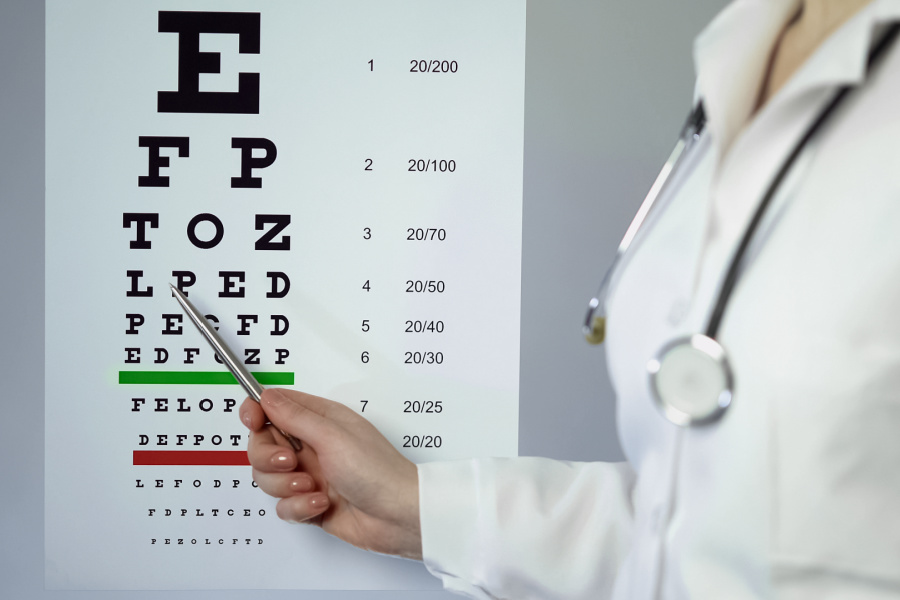
Eyesight is another key part of the taxi medical assessment.
To meet Group 2 standards, drivers must have visual acuity of at least:
This standard applies to corrected vision, which means glasses or contact lenses can be worn to meet the requirement.
Before your appointment:
If your eyesight does not meet the minimum standard, you may not pass the medical until this is corrected.
Many drivers with diabetes pass their taxi medical without any issues. However, certain medications require additional monitoring.
If you take medications such as gliclazide or glimepiride, you may need to provide 4 to 6 weeks of blood glucose readings. Without these readings, you are unlikely to pass your assessment.
To prepare:
Drivers taking metformin alone will usually not need to provide blood sugar readings.
If you use insulin, further specialist input may be required before you can meet the medical standards for driving.
Being prepared before your appointment can make all the difference when it comes to passing your taxi medical.
If you have any questions about your upcoming assessment or need advice about a medical condition before booking, our team at Essential Medicals will be happy to help guide you through the process.