
Starting a new role is an exciting step for any employee. Behind every successful hire, however, is a structured process designed to protect both the individual and the organisation. A pre-employment health assessment plays a vital role in ensuring new starters can work safely while helping employers meet their legal responsibilities.
Far from being a tool to exclude candidates, these assessments are designed to provide support, identify reasonable adjustments, and create safer workplaces from day one.

A pre-employment health assessment is a confidential occupational health review carried out after a conditional job offer has been made. Its purpose is to determine whether an individual is medically fit for their specific role and whether any workplace adjustments are required.
It is not a full medical examination, and it does not involve sharing private medical details with an employer. Instead, it focuses only on information relevant to the job role.
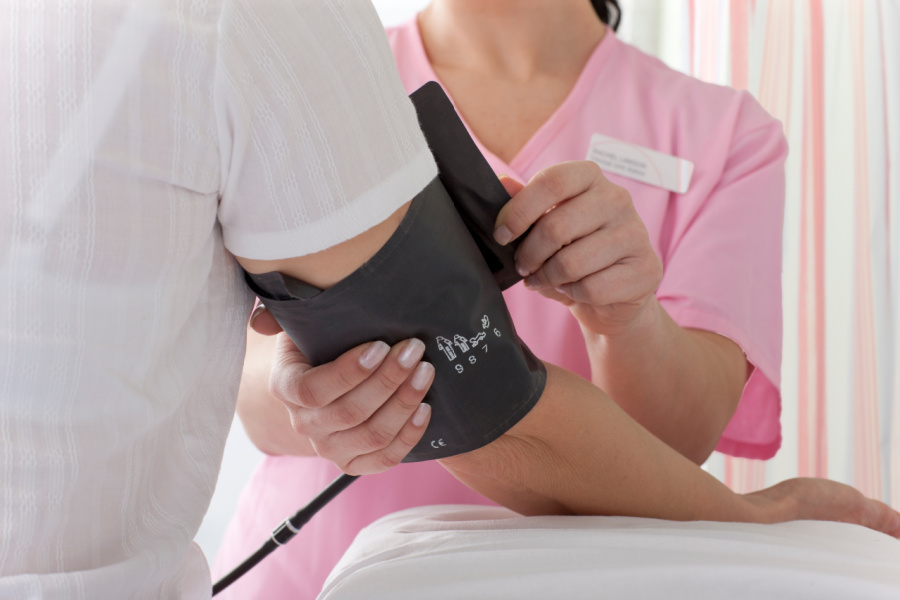
Depending on the position and associated risks, the assessment may include:
Only work-related outcomes such as “fit for role” or “fit with adjustments” are shared with the employer. Personal medical information remains confidential within occupational health.
Early identification of health needs allows support measures to be implemented immediately. This may include ergonomic equipment for musculoskeletal concerns, flexible working arrangements for long-term conditions, or health surveillance for exposure to noise or vibration.
Taking a proactive approach helps reduce stress for new employees and builds trust between staff and management from the outset.
Different jobs place different demands on employees. Shift work, manual handling, chemical exposure, or high-noise environments all carry specific risks.
A pre-employment medical assessment ensures individuals can meet these demands safely. If a health condition is identified, occupational health professionals can recommend reasonable adjustments so the employee can perform effectively without increased risk.
The aim is prevention and protection, not exclusion.
By identifying potential health concerns before employment begins, businesses can:
Early intervention helps prevent small issues from becoming larger operational problems.
Employers have a duty of care under UK health and safety legislation, including the Health and Safety at Work etc. Act 1974. In certain industries, additional regulations such as the Control of Substances Hazardous to Health Regulations 2002 may require health surveillance.
A documented pre-employment health assessment demonstrates that an organisation is taking reasonable steps to protect its workforce and comply with legal obligations.
This not only safeguards employees but also strengthens the organisation’s reputation with clients and stakeholders.
.jpg)
The candidate receives an offer subject to a health review.
The candidate completes a secure form detailing relevant medical history.
A qualified professional reviews the information and arranges further checks if necessary.
Only job-related recommendations are shared, such as fit for work or fit with adjustments.
If required, support measures are arranged before the employee’s start date.
Is it a pass or fail test?
No. The purpose is to determine how best to support the employee in their role.
Will my medical history be shared with my employer?
No. Medical information remains confidential. Employers only receive relevant work recommendations.
Will this delay my start date?
In most cases, assessments are completed promptly and do not affect start dates.
Pre-employment health assessments are an investment in people and performance. They help create:
By prioritising occupational health at the recruitment stage, organisations lay the foundation for long-term success and employee wellbeing.