

For plant operators in the UK, Safety Critical Medicals (SCMs) have become a key requirement for site access and regulatory compliance, particularly with increasing infrastructure projects and stricter Health and Safety Executive (HSE) standards. Whether you operate a 360 excavator, telehandler, dumper truck, or other heavy machinery, passing a SEQOHS-accredited Safety Critical Medical is essential for demonstrating fitness for safety-sensitive work.
This guide explains what plant operator medicals involve in 2025, including:
By understanding the components and requirements of a SEQOHS Safety Critical Medical, plant operators can ensure they remain compliant, safe, and ready for work on high-risk sites throughout 2025 and beyond.
A Safety Critical Medical (SCM) is a mandatory occupational health assessment for individuals working in high-risk environments, particularly in construction and infrastructure sectors. This includes roles such as plant operators, telehandler drivers, crane operators, and other personnel handling heavy machinery. The purpose of an SCM is to confirm that an individual is medically fit to perform safety-critical duties without posing a risk to themselves or others.
In 2025, with increasing emphasis on SEQOHS-accredited Safety Critical Medicals, these assessments are more important than ever. They evaluate key health indicators, including:
Employers rely on SCMs to ensure workforce safety, maintain regulatory compliance, and reduce the risk of accidents, fines, insurance claims, or operational disruptions. These assessments are considered essential for anyone performing safety-critical roles, as defined by HSE guidelines.
SEQOHS (Safe, Effective, Quality Occupational Health Service) accreditation, developed by the Faculty of Occupational Medicine, ensures that Safety Critical Medicals meet nationally recognised quality standards. Using a SEQOHS-accredited assessment guarantees comprehensive, evidence-based evaluations, helping employers comply with UK health and safety regulations and demonstrate due diligence.
For plant operators and other safety-critical workers, obtaining a SEQOHS Safety Critical Medical is not just a recommendation—it is a vital step for site access, operational safety, and long-term career compliance.

Plant operators manage heavy machinery in high-risk, fast-paced environments, where even a brief lapse in vision, hearing, or mobility can lead to serious accidents. Safety Critical Medicals (SCMs) are therefore not just a formality—they are a legal, ethical, and operational necessity.
Certain roles carry higher risks and require SEQOHS-accredited assessments to ensure employees are fit for duty:
360 Excavator Operators
Operators of 360 excavators must complete a Safety Critical Medical to confirm they can safely handle heavy lifting and digging machinery. Assessments include checks for vision, hearing, mobility, and overall physical fitness.
Forward Tipping Dumper Drivers
Driving forward tipping dumpers on busy construction sites demands sharp reflexes and full physical fitness. A SEQOHS-accredited medical ensures drivers are fit for work and compliant with HSE and contractor requirements.
Telehandler and Forklift Operators
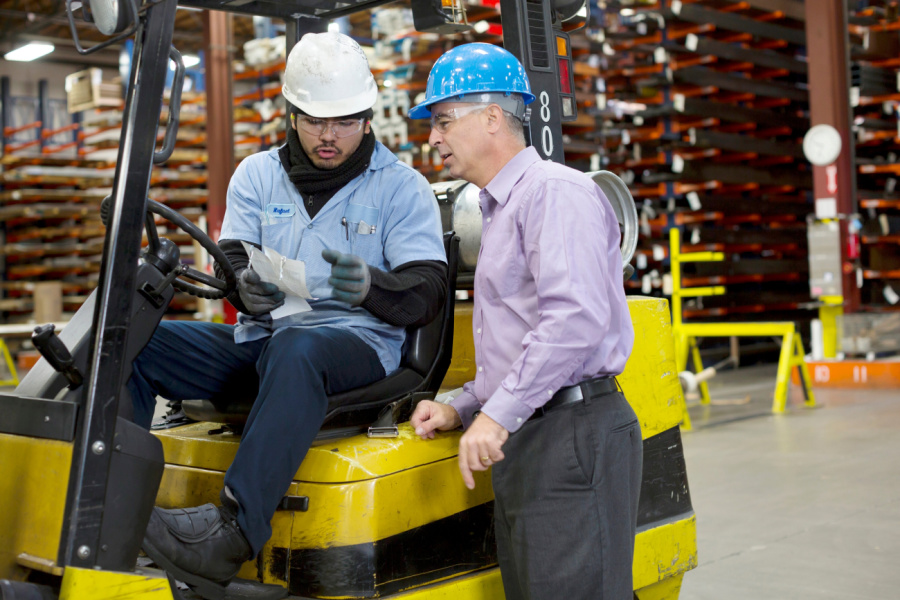
Operating telehandlers or forklifts requires precision and constant alertness. Safety Critical Medicals for these roles cover vision, hearing, cardiovascular health, and mobility, ensuring operators can safely manage material handling tasks.
Crane Operators
Crane operation is among the most safety-sensitive site roles. SEQOHS-compliant medicals for crane operators include mental health, respiratory checks, and advanced vision screening, confirming operators are fit to manage complex lifting operations.
Bulldozer and Roller Drivers
Heavy machinery like bulldozers and rollers requires sustained physical endurance and fine control. Safety Critical Medicals assess both physical and mental fitness, supporting compliance with HSE and contractor obligations.
Loading Shovel Operators
Operating loading shovels involves high physical demand and strict operational timing. Plant operator medicals for these roles evaluate mobility, vision, hearing, and fatigue to ensure safe, effective performance.
Completing a SEQOHS-accredited Safety Critical Medical ensures plant operators are fully compliant with UK occupational health standards, protects workplace safety, and supports site access across all high-risk projects in 2025.
For plant operators on major infrastructure and civil engineering projects, completing a SEQOHS-accredited Safety Critical Medical (SCM) is a mandatory requirement before gaining site access. These assessments ensure that all operators are medically fit to perform safety-critical tasks, protecting both the individual and the wider workforce.
Whether operating a 360 excavator, tower crane, telehandler, or dumper truck, a current Safety Critical Medical certificate is essential. Employers are increasingly accountable under the Health and Safety at Work Act, and verifying the medical fitness of workers in high-risk roles is a key part of compliance.
Safety Critical Medicals go beyond regulatory obligations—they are a core component of workforce safety. They help mitigate risks such as workplace accidents, machinery misuse, and fatigue-related errors, ensuring plant operators can perform their duties safely and effectively.
By adhering to SEQOHS-accredited SCM standards, organisations demonstrate a proactive commitment to health, safety, and compliance, making these assessments a non-negotiable requirement for all plant operators and safety-critical personnel in 2025 and beyond.
A Safety Critical Medical (SCM) is a structured set of occupational health assessments designed to match the specific risks, duties, and work environments of safety-critical roles. For plant operators, this ensures they are medically fit to perform high-risk tasks safely, whether operating a 360 excavator, crane, telehandler, or dumper truck.
Each SCM is role-specific, evaluating the skills and fitness required to safely carry out work in sectors such as construction, rail, transport, utilities, and manufacturing. These assessments help employers meet legal obligations under the Health and Safety at Work Act 1974 while safeguarding employees and maintaining regulatory compliance.

By completing a SEQOHS-accredited Safety Critical Medical, plant operators and employers ensure that all assessments are evidence-based, role-specific, and fully compliant with national occupational health standards, reducing workplace risks and maintaining a safe, productive workforce.