

A Safety Critical Medical is a structured health assessment designed to confirm whether an individual is medically fit to carry out work that could pose a risk to their own safety or the safety of others. These roles often involve high-risk environments such as working at height, operating machinery or plant, driving vehicles, working in confined spaces, or carrying out lone working duties.
If you or your employees require a Safety Critical Medical, this guide explains what the assessment involves, who needs one, how long certification typically lasts, and what happens if someone does not meet the required standard.
In summary, a Safety Critical Medical helps ensure workers can safely perform high-risk tasks. It commonly applies to roles involving height, driving, machinery, or isolated working. Assessments usually include checks such as hearing, vision, lung function, blood pressure, and a review of medical history. Certificates typically last between one and three years depending on age, and assessments can be carried out on-site, in a clinic, or via a mobile medical unit. If an employee does not pass, temporary work restrictions may be recommended while further medical advice is obtained.
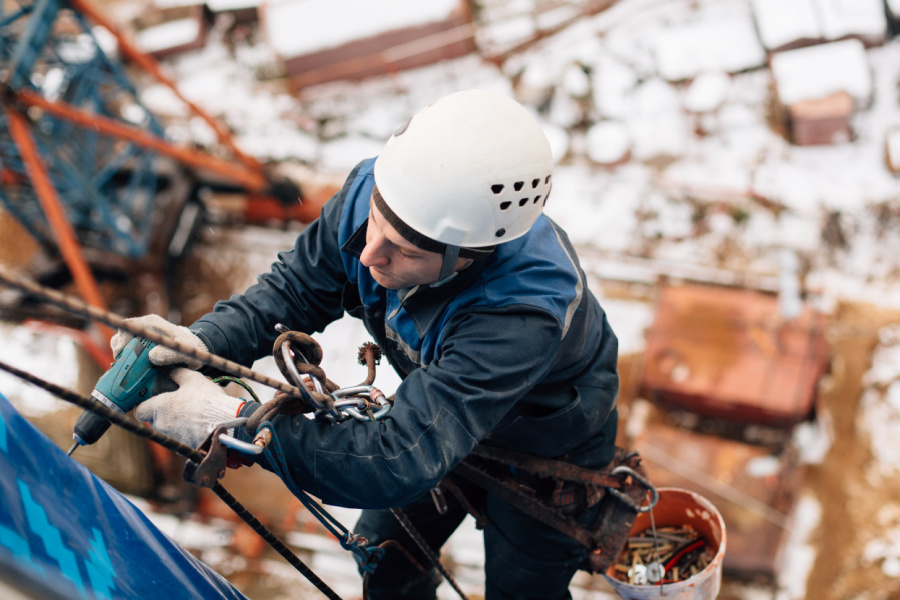
A safety-critical role is any position where a worker’s medical fitness is essential to preventing harm. If someone in this type of role were unwell, impaired, or to experience a sudden health issue, it could place them, their colleagues, or the public at serious risk. These roles typically involve high-risk tasks or environments where alertness, physical capability, and reliability are crucial to maintaining safety.
Who Needs a Safety Critical Medical?
A Safety Critical Medical is required for individuals whose job involves tasks where a medical issue could result in serious injury, accidents, or wider safety risks. These assessments help employers ensure that workers are physically and medically fit to carry out their duties safely and in line with health and safety regulations.
Safety-critical roles commonly include those involving:
If a role involves increased risk due to the working environment or the nature of the tasks, a Safety Critical Medical is an important step in protecting both the individual and those around them.
Validity of a Safety Critical Medical Certificate
The length of time a Safety Critical Medical certificate remains valid depends on the worker’s age. Regular renewals help ensure ongoing fitness for safety-critical duties as health needs can change over time.
Certificates typically need to be renewed as follows:
In some cases, a clinician may recommend more frequent reviews depending on an individual’s health, role, or workplace risk factors.
Employees working in safety-critical roles are required to meet higher medical standards than those in lower-risk positions. A Safety Critical Medical, sometimes referred to as a fit-for-work medical, helps confirm that an individual is medically capable of performing their duties safely.
These assessments are designed to identify medical conditions or treatments that could:
By carrying out Safety Critical Medicals, employers can significantly reduce the risk of accidents, protect employee wellbeing, and ensure that workers do not pose a danger to themselves, their colleagues, or the wider public.
A Safety Critical Medical involves a comprehensive health assessment to determine whether an individual is medically fit to carry out high-risk work safely. This begins with a detailed medical history questionnaire and a review of current health conditions, symptoms, and any ongoing treatments.
The assessment may include discussion of conditions such as cardiovascular disease, chest pain, palpitations, or blood disorders, as well as neurological concerns like dizziness, epilepsy, head injuries, persistent headaches, or a history of stroke. Long-term medical conditions including diabetes, thyroid disorders, Parkinson’s disease, or multiple sclerosis are also reviewed, alongside mental health factors such as stress, anxiety, or depression.
Additional areas covered include allergies, current medications, alcohol or drug misuse, and conditions affecting major organs such as the stomach, bowel, kidneys, bladder, liver, or gall bladder. Musculoskeletal issues, hernias, or any other factors that could impact an individual’s ability to safely perform their role are also considered.
Where required, Safety Critical Medicals may also include further assessments such as hearing tests (audiometry), HAVS screening, musculoskeletal evaluations, respiratory health checks, skin assessments, and vision testing.
These medicals can be carried out on-site at your workplace, at a clinic, or via a mobile clinic service, offering flexibility to suit operational needs.

Safety Critical Medicals play a vital role in reducing workplace risk, protecting employees, and supporting legal and regulatory compliance. They give employers reassurance that staff undertaking high-risk duties are physically and mentally fit for their roles.
Key benefits include improved workplace safety by identifying medical issues that could increase the risk of accidents or incidents. They also help employers meet their responsibilities under health and safety legislation and industry-specific standards.
Safety Critical Medicals support early detection of health problems, allowing concerns to be addressed before they impact performance or safety. They also demonstrate a clear commitment to employee wellbeing, helping staff feel valued and protected.
By managing health issues proactively, these medicals can help reduce sickness absence and unplanned time off. In turn, a healthier workforce is typically more focused, reliable, and productive, contributing to better overall business performance.
Working in a Safety-Critical Role With an Underlying Health Condition
In many situations, employees with underlying health conditions can continue working in safety-critical roles, as long as their condition is well controlled and they meet the medical standards required for their job. Conditions such as high blood pressure, diabetes, asthma, or epilepsy do not automatically exclude someone from work if symptoms are stable and managed under the care of a GP or specialist. Many non-progressive cardiac, respiratory, and neurological conditions are compatible with safety-critical work, particularly when the employee understands their condition and takes appropriate medication.
Some roles, however, have specific fitness requirements that must be met, including standards for hearing, vision, or respiratory health. If these standards are not achieved, temporary workplace restrictions may be recommended while further medical advice is obtained. Follow-up assessments may also be arranged to review the employee’s condition and ensure ongoing safety.
Examples of temporary restrictions may include limits on driving or operating machinery due to uncontrolled blood pressure, or restrictions on lone working following recent seizures or blackouts. The frequency of future medical assessments may also vary depending on age, medical history, or test results, with more regular reviews advised in some cases.
It’s also important to note that certain safety-critical sites require all personnel entering the site, regardless of their role, to hold a valid Safety Critical Medical. In addition, employees working in confined spaces or flammable atmospheres who use hearing aids or battery-powered medical devices, such as insulin pumps, should check with health and safety managers to confirm that these devices are ATEX-compliant and suitable for use in those environments.
Looking to Book a Safety Critical Medical?
Essential Medicals provides Safety Critical and fit-for-work medicals across London and the surrounding areas, with flexible appointment options to suit your business needs. Assessments can be carried out at our clinics or through our mobile medical service, allowing us to visit your workplace anywhere in the UK.
To book an appointment or discuss your requirements, contact our team today and arrange a convenient time for your Safety Critical Medical with Essential Medicals.