What is a health surveillance medical?
A health surveillance medical is a legally required assessment for employees exposed to specific workplace hazards, such as noise, chemicals, dust, vibration, or night shifts. Its purpose is to detect early signs of work-related illness and ensure employees remain fit for their roles.
Who needs a health surveillance medical?
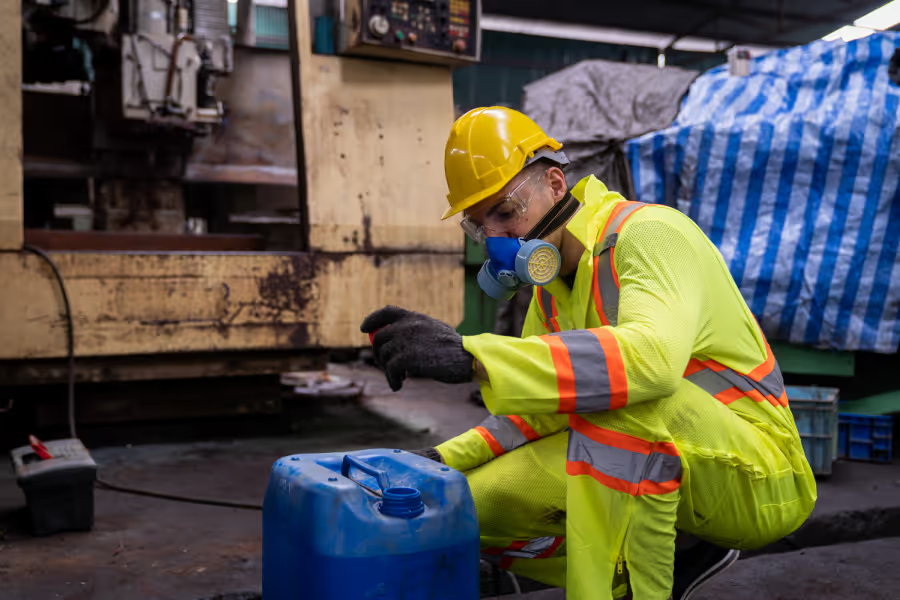
Any employee working in environments where exposure to workplace hazards is identified through risk assessments may require health surveillance. This includes workers using vibrating tools, handling chemicals, working with loud machinery, or performing tasks that impact respiratory, skin, or musculoskeletal health.
How often are health surveillance medicals required?
The frequency depends on the hazard and individual circumstances. Most assessments are conducted annually, but some may require more frequent checks if there are changes in job role, clinical concerns, or for new employees during their first weeks of employment.
What do health surveillance medicals involve?
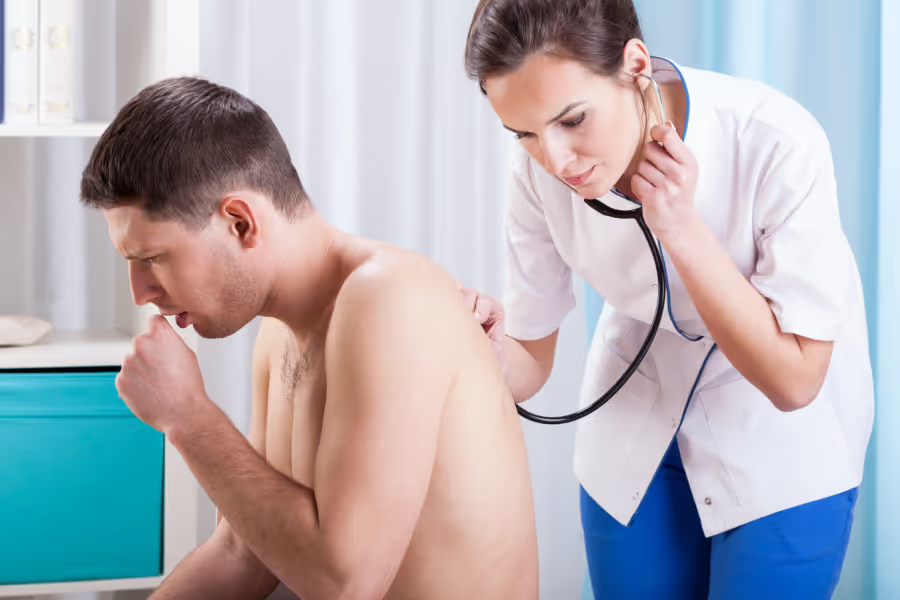
Health surveillance medicals typically include a health questionnaire, targeted physical examination, and specific tests depending on workplace risks. Common assessments include audiometry, spirometry, HAVS testing, vision checks, skin checks, biological monitoring, and task-specific evaluations. Results are recorded, certificates issued, and reminders set for future surveillance.



.webp)